Why Are Weeds Growing When My Grass Is Dormant? A New Braunfels Winter Lawn Guide
Weeds grow while your grass is dormant because they're on a different schedule: winter annuals like henbit, chickweed, and annual bluegrass sprout once the soil cools in fall and grow all winter...
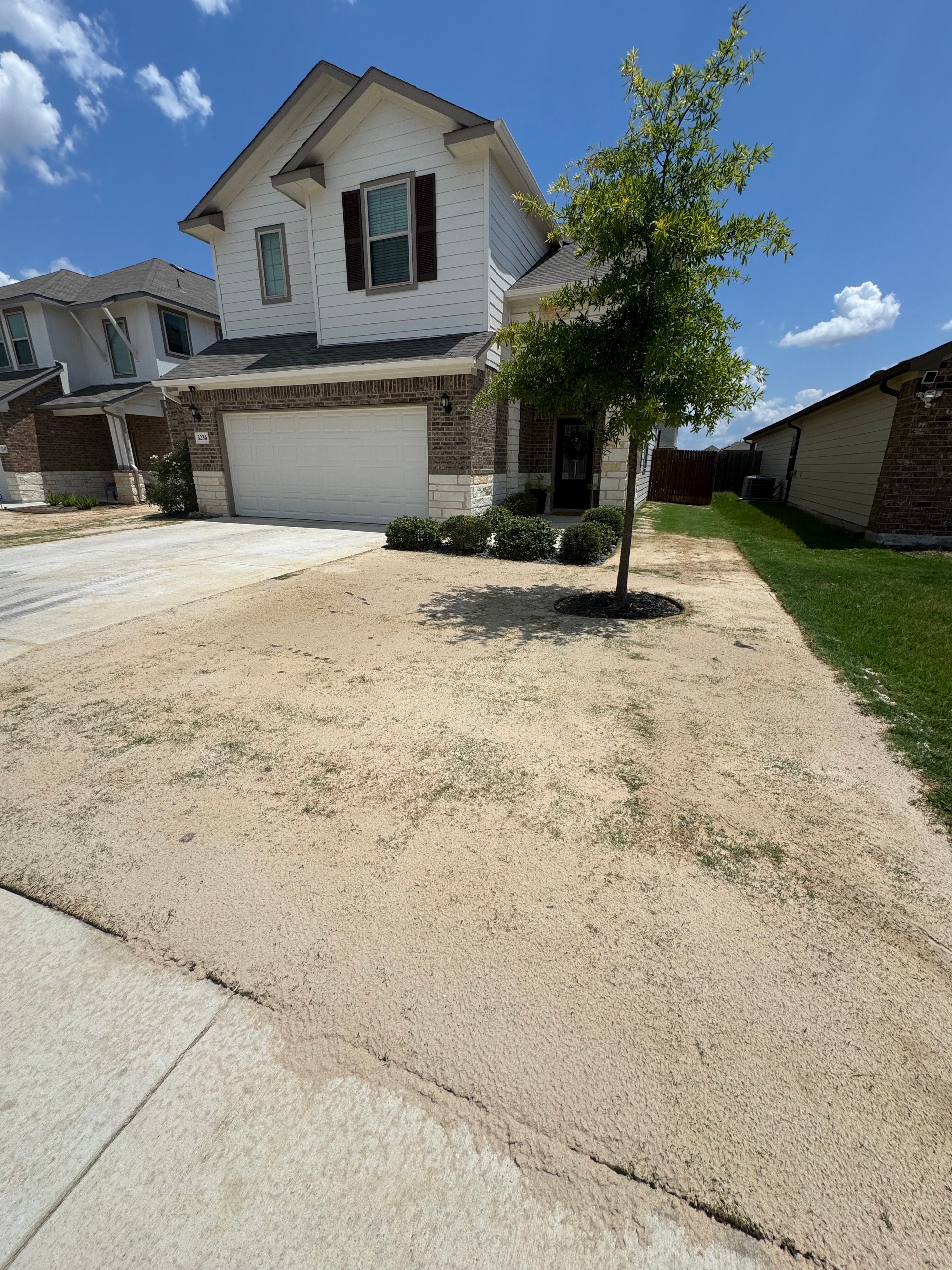
Weeds grow while your grass is dormant because they're on a different schedule: winter annuals like henbit, chickweed, and annual bluegrass sprout once the soil cools in fall and grow all winter while St. Augustine and Bermuda take a break. Your lawn isn't failing. It's just not competing right now, and the weeds are taking the open space.
That's why a lawn that looked fine in September can look like a patchwork of green weeds over tan grass by January. Here's what's going on and what's actually worth doing about it.
What are the green weeds in my brown lawn?
The usual winter crew in Central Texas lawns:
- Henbit: square stems, scalloped leaves, little purple flowers in late winter.
- Chickweed: low, sprawling, small oval leaves, tiny white flowers.
- Annual bluegrass: a light green grass that grows in clumps and puts up whitish seed heads. It stands out against dormant turf.
- Burclover: clover-looking leaves and, eventually, the burs that end up in your dog's fur.
- Rescuegrass: a coarse, upright winter grass that shoots up fast in late winter and spring.
Most of these are annuals. They sprout in fall, grow through winter, drop seed in spring, and die when it heats up. The problem is that seed, which becomes next year's weeds.
Didn't my weed killer stop them?
If you put down a pre-emergent in spring, that was aimed at summer weeds. It doesn't cover the winter batch.
Texas A&M AgriLife Extension recommends two pre-emergent applications a year: one in spring when soil temperatures reach about 55°F for several days, and one in fall when soil temperatures drop to about 70°F for several days. Around here, that fall window usually lands in September or October, but it moves with the weather, so AgriLife suggests going by soil temperature instead of the same date every year.
The catch: pre-emergents only stop seeds from sprouting. Once weeds are up, a pre-emergent does nothing to them. If you see henbit now, the window for that batch has closed.
Is it too late to do anything this winter?
No. It's too late to prevent this batch, but you can keep it from turning into next year's batch.
- Pull them while they're small, especially in a smaller yard or around beds. Winter annuals have shallow roots and come out easily after rain.
- Mow them before they flower. Even a dormant lawn can get a mow at a high setting to knock weeds back and cut off seed heads before they mature.
- Spot-treat if you need to. Use a post-emergent herbicide labeled for your grass type (St. Augustine is picky, more on that in how to kill weeds without killing your St. Augustine) and follow the label exactly, including temperature ranges. A lot of products work slowly or poorly in cold weather, so a warmer stretch of days usually gets better results.
- Skip the weed-and-feed. AgriLife advises against weed-and-feed products in fall and winter, since you end up fertilizing a lawn that can't use it.
Should I fertilize my dormant lawn?
No. Dormant grass isn't using nitrogen, but those green winter weeds are. Fertilizing now mostly feeds the weeds, and in fall it can encourage large patch, one of the common causes of brown spots in St. Augustine.
Hold off until the lawn has greened up and you've mowed it a couple of times in spring.
Why does one part of my yard have way more weeds?
Look at what's different about that spot. Common reasons:
- Thin grass. Weeds move into bare and thin areas first. Anywhere the turf got beat up by summer drought, chinch bugs, or foot traffic is open space for weed seed.
- Low spots. Areas that hold water stay damp and stay thin. Leveling and top dressing during the growing season help even those out so grass can fill in.
- Shade. Grass under trees grows thinner, which gives weeds more room.
- Mowing too short. Scalped grass lets sunlight hit the soil, which helps weed seeds sprout.
How do I stop winter weeds next year?
Next fall, keep an eye on soil temperature starting in September and put down a pre-emergent labeled for your grass when it drops into that 70°F range. Water it in according to the label, which AgriLife notes is typically a quarter to half inch for granular products.
A few more things that help:
- Do any core aeration or dethatching before the pre-emergent goes down, not after. AgriLife's weed science team notes those jobs can break up the herbicide barrier.
- Keep mowing at the right height for your grass during the season. Thick, healthy turf shades out a lot of weed seed on its own.
- Don't put a pre-emergent on turf that's seriously stressed or newly laid. AgriLife suggests hand-pulling and spot treatments until it recovers.
Thick grass is still the best weed control there is. Products just help it out.
If your dormant lawn is mostly green weeds right now and you're not sure where to start, text a photo to 512-222-9122 and we'll take a look.
Explore Topics
Written by
Committed Lawn Care
Content creator and writer sharing insights and stories.