When Should I Trim Shrubs in Texas? What to Cut in Fall and What to Leave Alone
In Texas, fall is a good time for a full shaping and trimming of most evergreen shrubs and hedges, as long as the cuts keep the plant's shape and size instead of cutting it way back. The hard...
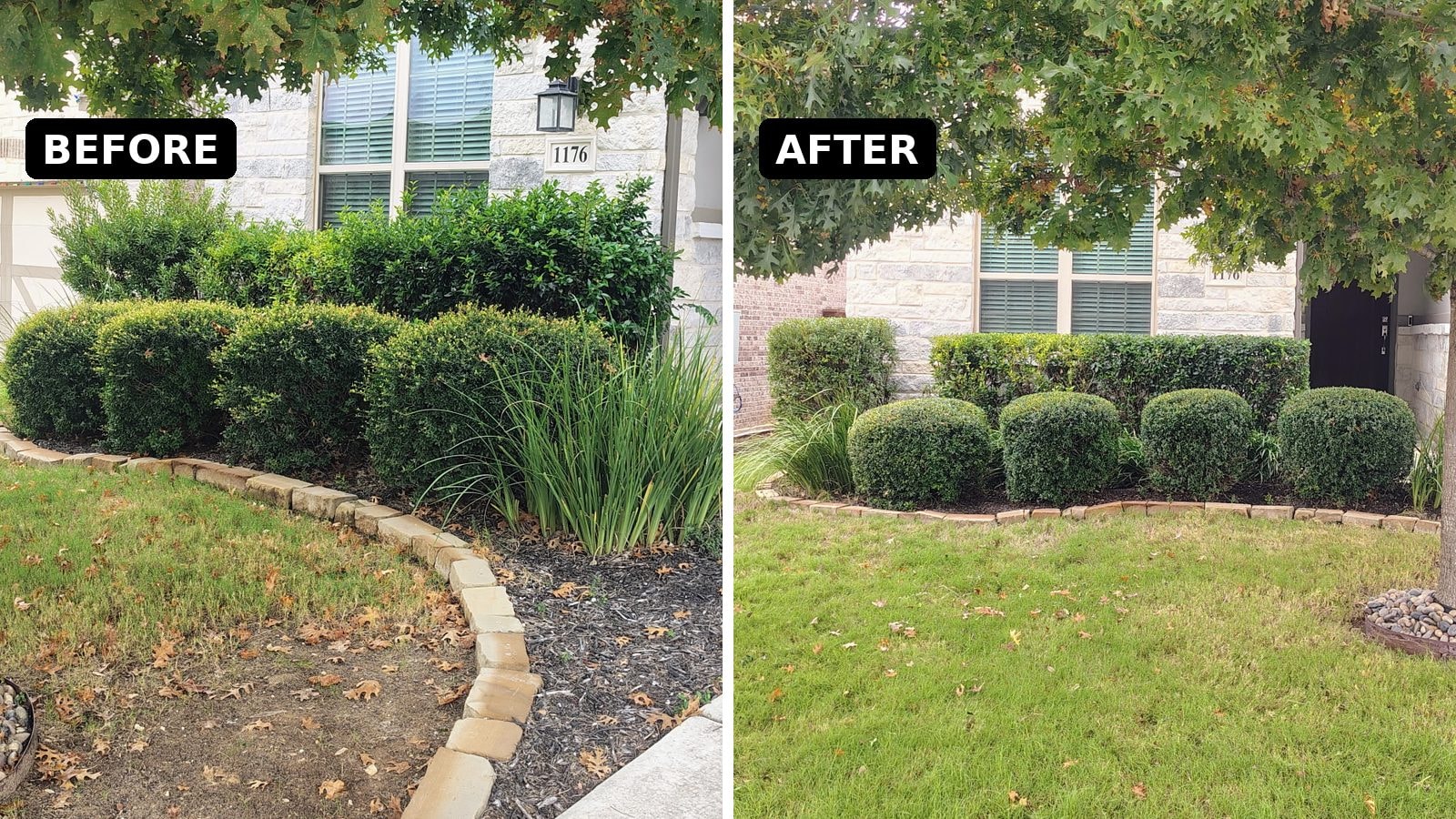
In Texas, fall is a good time for a full shaping and trimming of most evergreen shrubs and hedges, as long as the cuts keep the plant's shape and size instead of cutting it way back. The hard cutbacks wait until late winter, and spring-flowering shrubs wait until right after they bloom.
So yes, you can get the yard looking sharp before the holidays. The trick is knowing which kind of cut belongs in which season.
Is it OK to trim shrubs in the fall?
Yes, if you're doing the right kind of trimming. Texas A&M AgriLife Extension's "Pruning with a Purpose" guide lists broadleaf and needleleaf evergreens, things like boxwood, ligustrum, photinia, wax myrtle, juniper, and pittosporum, as shrubs you can shear or trim anytime to maintain form and size.
What AgriLife warns against in fall is heavy pruning. Its basic pruning guidance says not to prune hard in late summer or fall, because big cuts push out a flush of tender new growth that doesn't have time to toughen up before the first freeze. Then a cold night hits and the parts you just cut turn brown.
So the line isn't "trim" versus "don't trim." It's shaping versus cutting way back.
What should a fall trimming visit include?
A proper fall trim is more than snipping a few stray branches. Done right for the season, it covers:
- Shaping evergreen shrubs and hedges back to a clean, even form at their current size.
- Thinning crowded growth so light and air get into the middle of the plant.
- Taking out dead, broken, and diseased wood, cut back to healthy growth.
- Removing crossing or rubbing branches before they wear wounds into each other.
- Clearing walkways, doors, windows, lights, and the house. Nothing brushing siding or blocking a path.
- Cleaning up beds, including spent daylilies and irises, which Master Gardeners working from AgriLife guidance list as October and November chores.
That's a real trimming job, and the yard looks finished when it's done. What it doesn't include is chopping shrubs way down to reset their size. That's the cut that waits.
What should I leave alone until later?
Hard cutbacks. If a shrub has outgrown its spot and needs to come down a lot, plan that for late winter, just before spring growth starts. That's when AgriLife says most plants handle major pruning best.
Spring-flowering shrubs. These set next year's flower buds well before they bloom, so trimming them now cuts off the flowers. AgriLife's Williamson County office lists Indian hawthorn, bridal wreath spirea, flowering quince, and viburnums among them. Prune these soon after they finish blooming in spring.
AgriLife's handy rule: if it flowers before June 1, prune it after it flowers. If it blooms after June 1, prune it in late winter or early spring.
Berry-producing shrubs. Hollies, yaupon, and pyracantha make berries on older growth. AgriLife suggests only light trimming on these, since shearing them hard means fewer berries, and the birds will notice.
Freeze-tender perennials and shrubs. Lantana and esperanza often get nipped by the first freeze. Leave that top growth through winter and cut it back in late winter once the hard freezes are behind you.
When should I prune summer-blooming shrubs?
Late winter, before new growth starts. Around here, that's usually late January through February.
Shrubs that bloom on new growth, like crape myrtle, althea, abelia, Texas sage, and repeat-blooming roses, can be pruned then without losing flowers. Victoria County Master Gardeners, citing AgriLife guidance, point to February 14 as the date for repeat-blooming roses.
Should I cut my crape myrtle way back?
Please don't. Chopping crape myrtles back to bare stubs every year (sometimes called "crape murder") invites pests and weak branch connections, according to AgriLife. If yours is too big for its spot, the better fixes are thinning it out, removing a few trunks, or replacing it with a smaller variety down the road.
Is shearing or thinning better?
Depends on the look. Formal hedges get sheared to keep that clean edge. For most other shrubs, AgriLife recommends thinning: cutting select older or taller stems back to where they branch or to the ground. It keeps a more natural shape and lets light into the middle of the plant.
Shearing everything into balls and boxes looks tidy, but it often leaves a thin green shell over a bare, woody middle. A good fall trim usually mixes both.
What's the plan for my yard this fall?
- Shape and trim the evergreen shrubs and hedges at their current size.
- Thin, clean out dead wood, and clear anything crowding paths or the house.
- Leave spring bloomers, berry shrubs, and freeze-tender plants for their own season.
- Make a list of anything that needs a hard cutback, and come back to it in late winter.
While you're working the beds, the leaves you're raking up make good mulch around those shrubs. More on that in our post on whether to mulch or bag your leaves. And if your shrubs are crowding the front of the house, trimming them first also makes room for a ladder if you're hanging lights on a two-story house.
Our crew does full shrub trimming and shaping as part of our landscaping work, done the way the season calls for. Text a photo of the shrubs you're eyeing to 512-222-9122 and we'll take a look.
Explore Topics
Written by
Committed Lawn Care
Content creator and writer sharing insights and stories.